The image of a drum transcription most non-drummers have is "music-school exercise." The reality is messier and way more interesting.
The 4pm sub call
You get a text at 4pm. Band needs a sub for the 9pm gig. They send a Dropbox link with 14 songs. There is no chart. There is no rehearsal. There is the recording and you.
Standard prep: run the setlist through transcription, skim the PDFs on the drive over, ear-out the tricky parts at soundcheck. The transcription isn't the preparation — it's the cheat sheet that lets you load the whole set into working memory in 90 minutes instead of 9 hours.
The "wait, how does that fill go" moment
You're learning a song for fun. You've got 90% of it. There's one fill at the bridge that's eluding you — your hands keep landing on a triplet but the recording is clearly some kind of sixteenth-note thing.
You pull the transcription up. Oh. It's a sixteenth-note triplet with a flam. Ten seconds of looking saves twenty minutes of repeated wrong attempts.
The teacher's prep stack
Private instructors have folders organized by genre, decade, or skill level. New student comes in: pull from the right folder. Old-school teachers had filing cabinets; new-school teachers have a Google Drive structured by tag.
The TikTok flex
Drum content on social media has a specific format: 15 seconds, fast cuts, the camera over your shoulder showing the chart on a stand. The chart is performative — the viewer can't actually read it at that speed — but it telegraphs legitimacy. "This is a real transcription, not me improvising and calling it the song."
Some creators print intentionally over-detailed charts (full ghost notes, dynamic markings, every cymbal accent) precisely because the visual density looks impressive on camera.
The DAW pre-production session
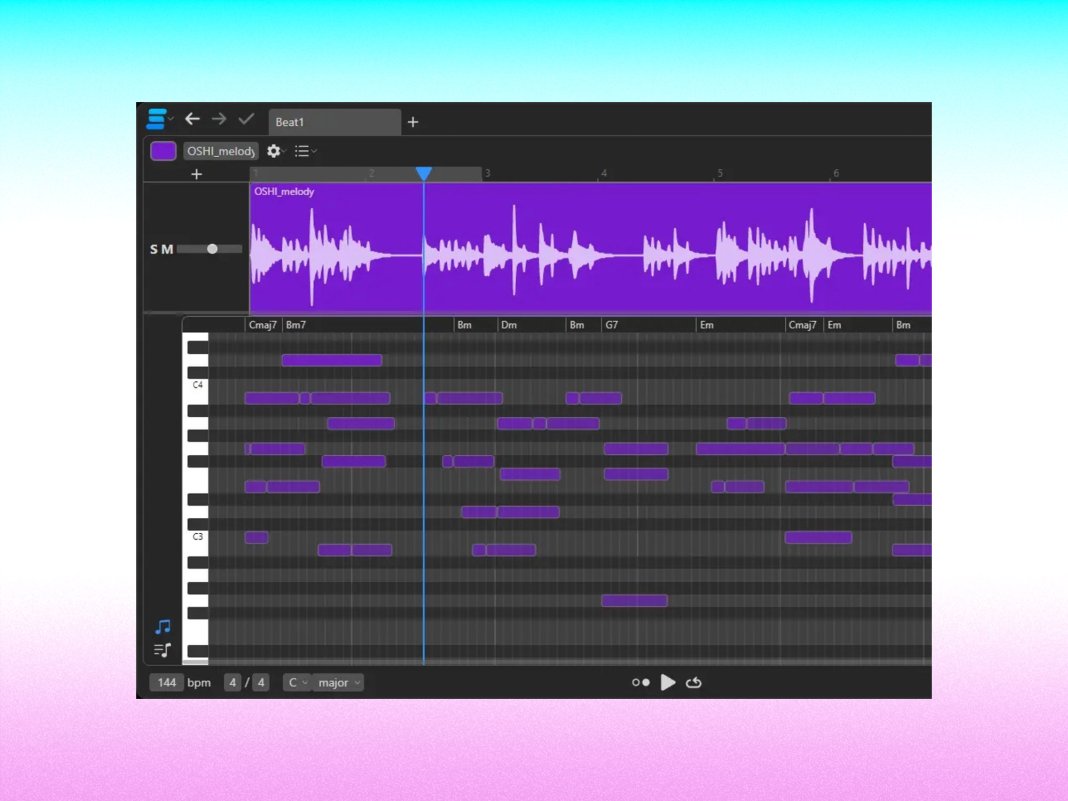
You're producing a track and the demo drummer's part is close but not quite right. You import the MIDI transcription of a reference song you like, drag bars around, swap fills, get to something that captures the vibe of the reference without copying it. The MIDI is a sketching tool, not a final product.
The audition tape
Players auditioning for tours / cruise ships / theatrical gigs increasingly send video of themselves reading down unfamiliar charts on first pass. Transcription tools generate the test material — pick a song the candidate has never heard, transcribe it, time-stamped video of them sight-reading it.
The takeaway
Transcriptions in the real world are rarely studied. They're consumed, used, marked up, and thrown out. The value is in the speed and the convenience — having the part right now at varying levels of polish. Music-school transcription was about the rigor of the process. Working-drummer transcription is about getting through the night.