

The GrooveSheet blog.
How automatic transcription, stem separation and notation actually work, what is changing in music tech, and how to get a chart you can play from.
Articles & guides
Explainers, comparisons and news, filed by topic.
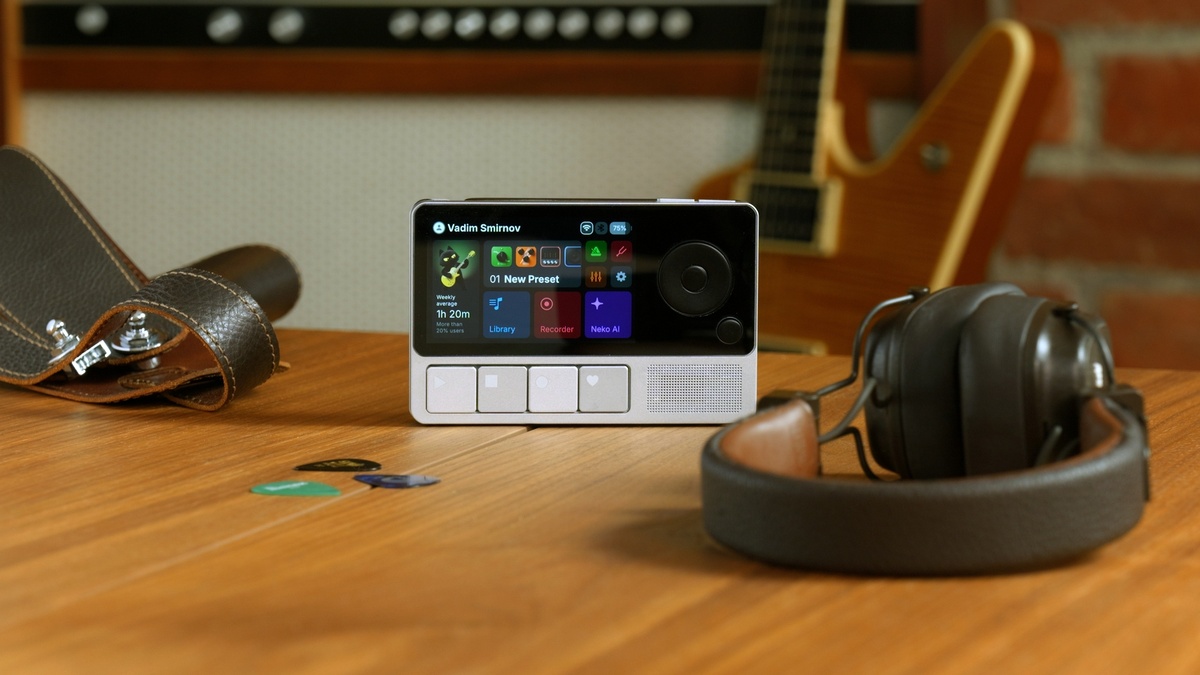
LALAL.AI is licensing its separation engine into Neko, a pocket guitar rig that splits songs into vocals, drums, bass and guitar on the device. What that changes for players, and what it does not.
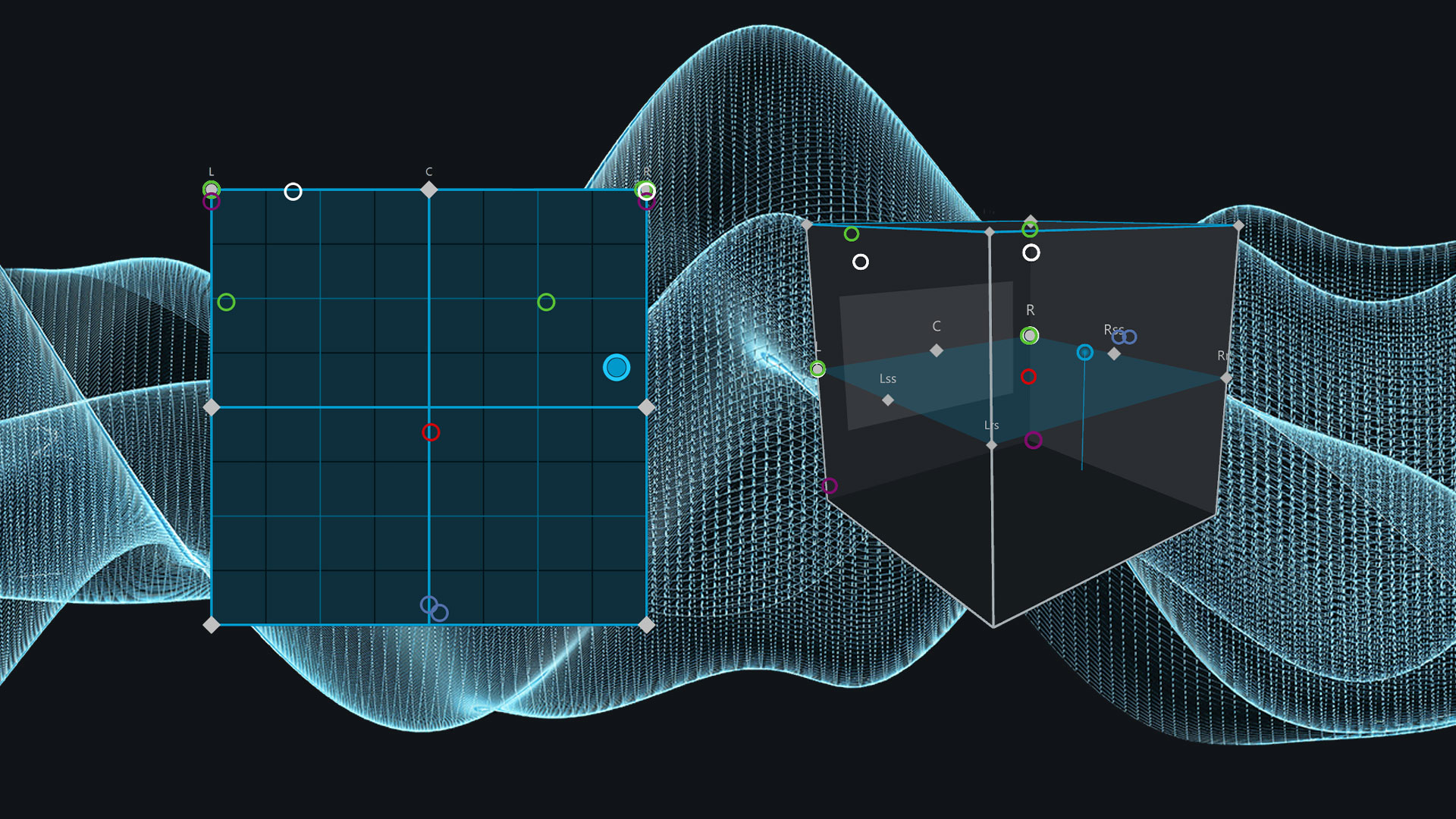
Boris FX put AI stem separation inside Samplitude 2026.5. Good news for anyone prepping a mix for transcription, with one catch worth knowing before you rely on it.
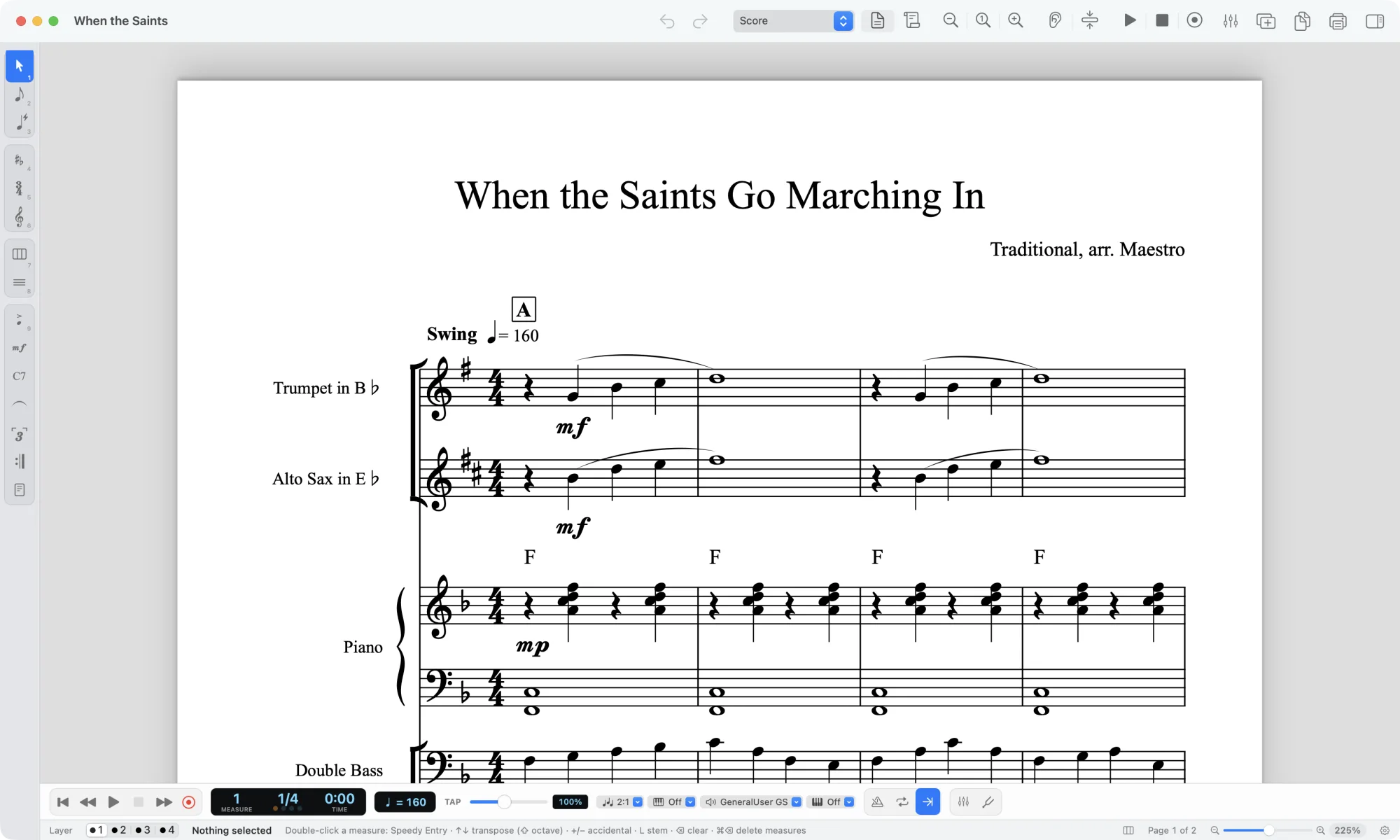
Maestro, a free notation editor for Mac and Windows, now opens and saves Finale files without Finale. Here is what it changes for anyone holding a folder of legacy scores.
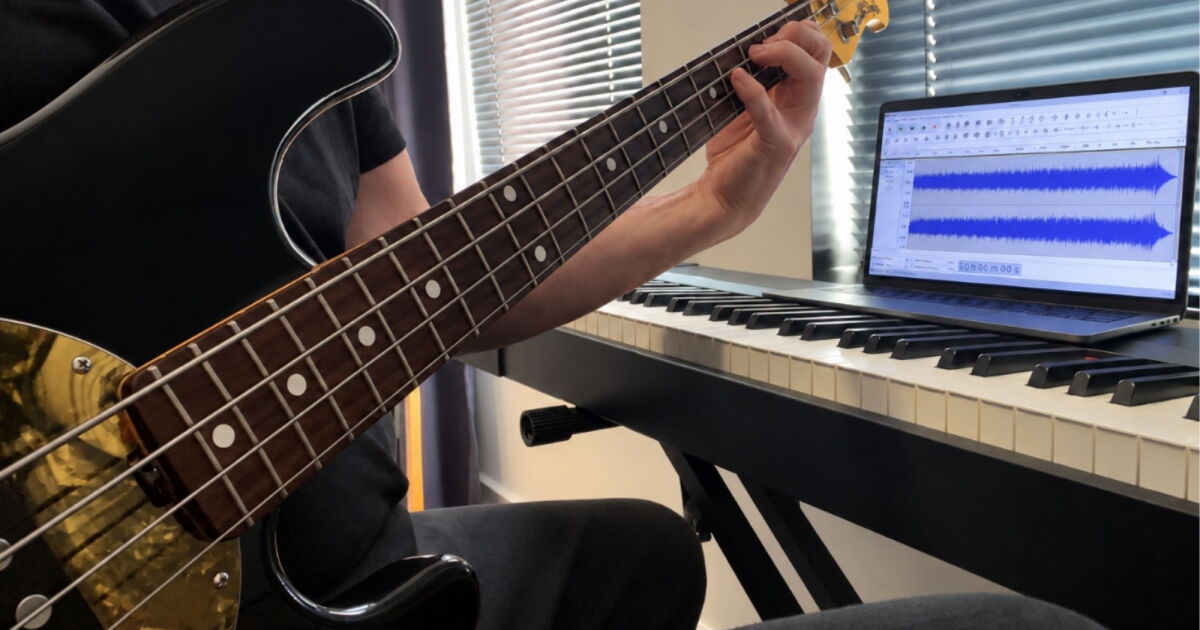
A Windows app splits a finished recording into vocals, bass, drums and other in about 40 seconds on a local GPU. The separation is the strong part. The MIDI and the play-along workflow are not.
Scoring Notes spent an episode on reading a notation file before you change it: missing fonts, hidden instruments, fragile setups. Here is how that applies to a score you just generated from audio.
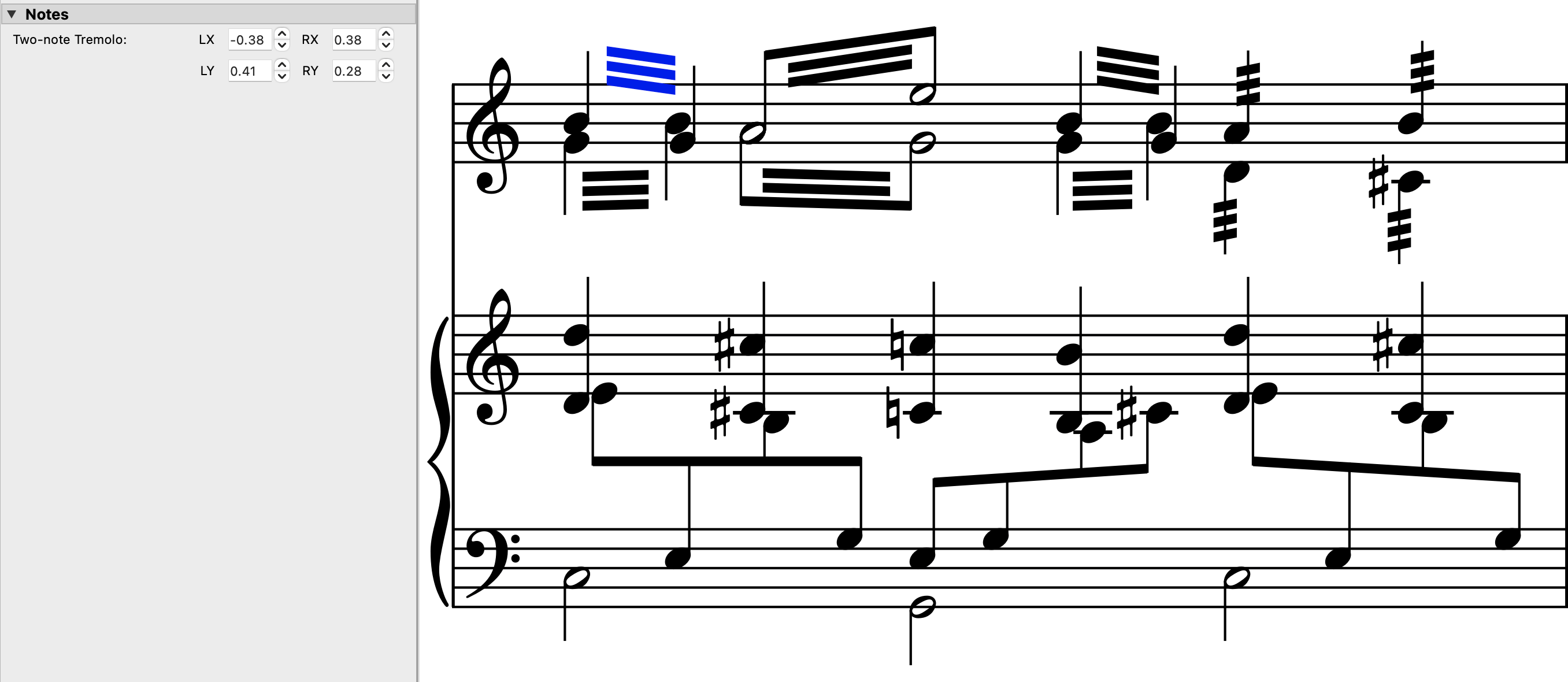
Sibelius 2026.9 lets you move tremolo strokes without moving stems, set tie height globally and apply voice rules to cross-staff notes. What that fixes at the desk.
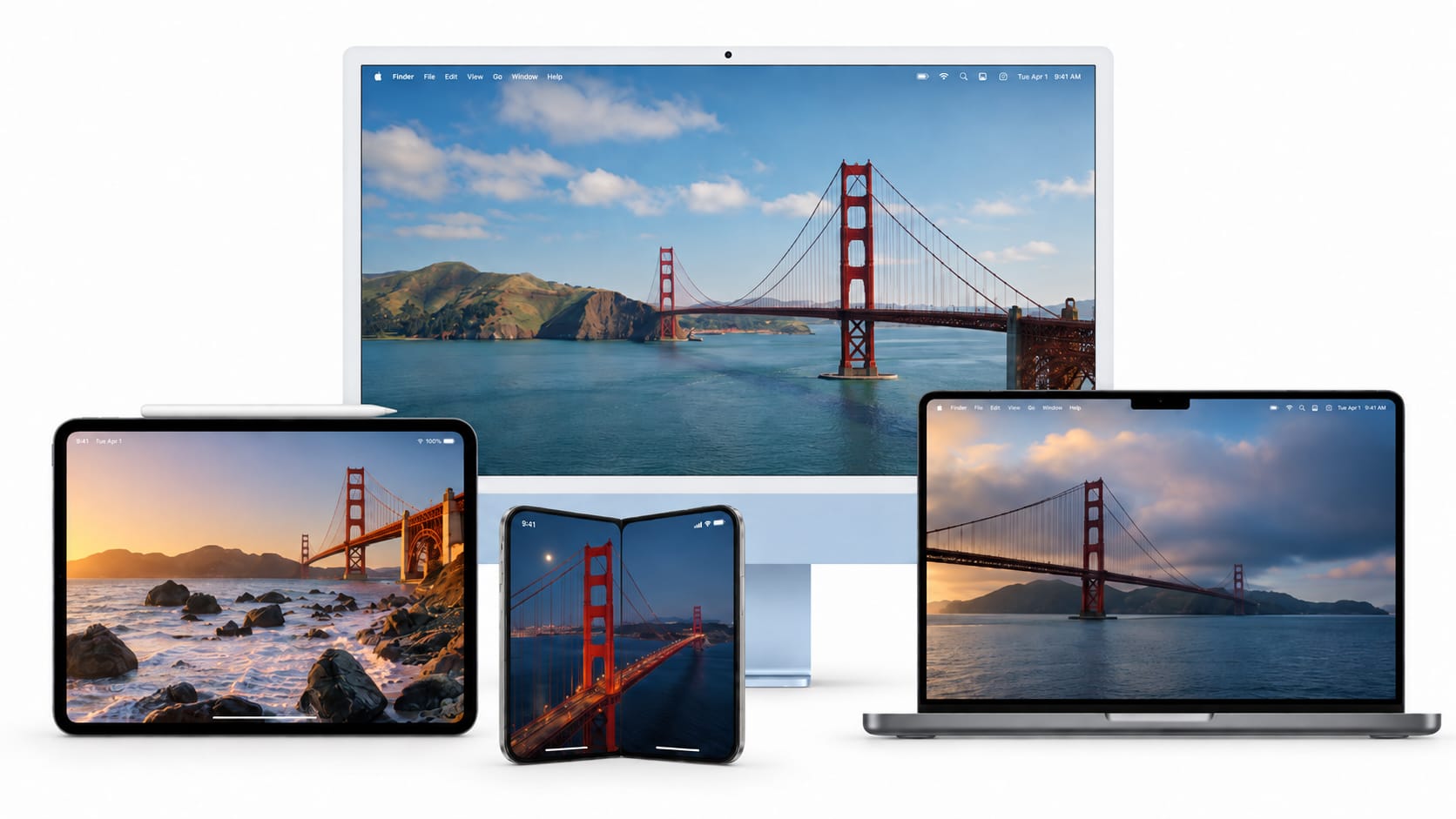
Golden Gate drops Intel Macs and gives Rosetta one last year. The notation apps are already native, but your plug-ins, printer drivers and old Notion 6 install may not be.
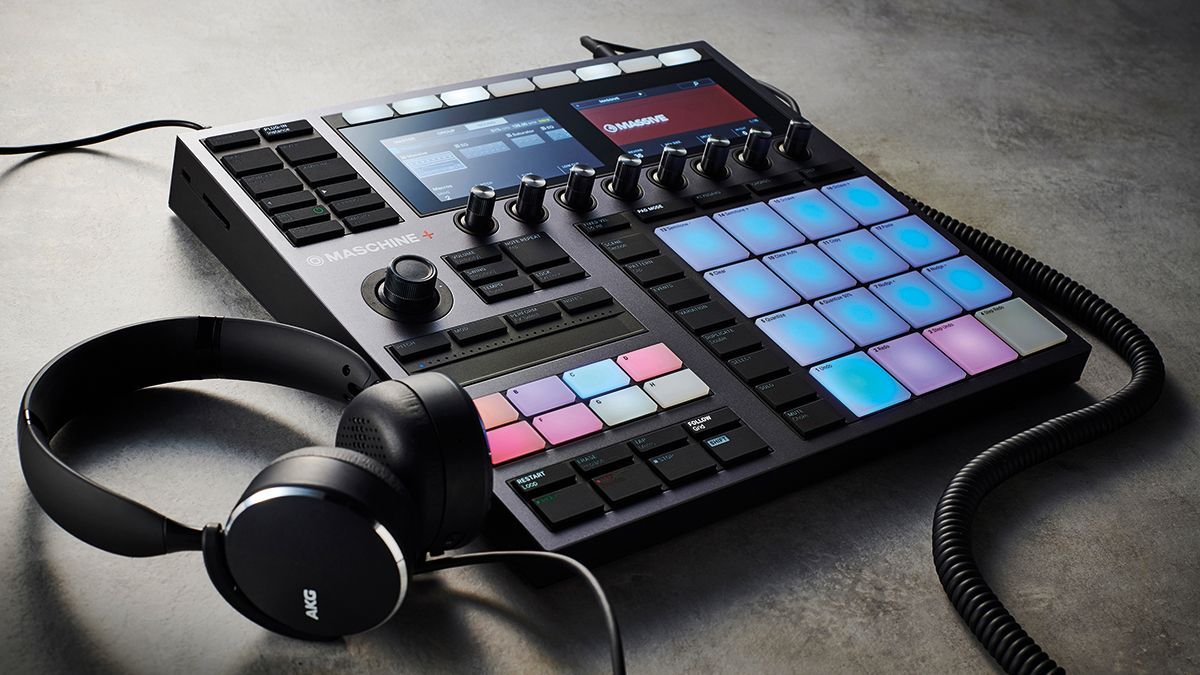
Maschine 3.7 adds probability and Euclidean sequencing. Useful for generating parts, but they raise a practical question: how do you get a shifting pattern onto a page?
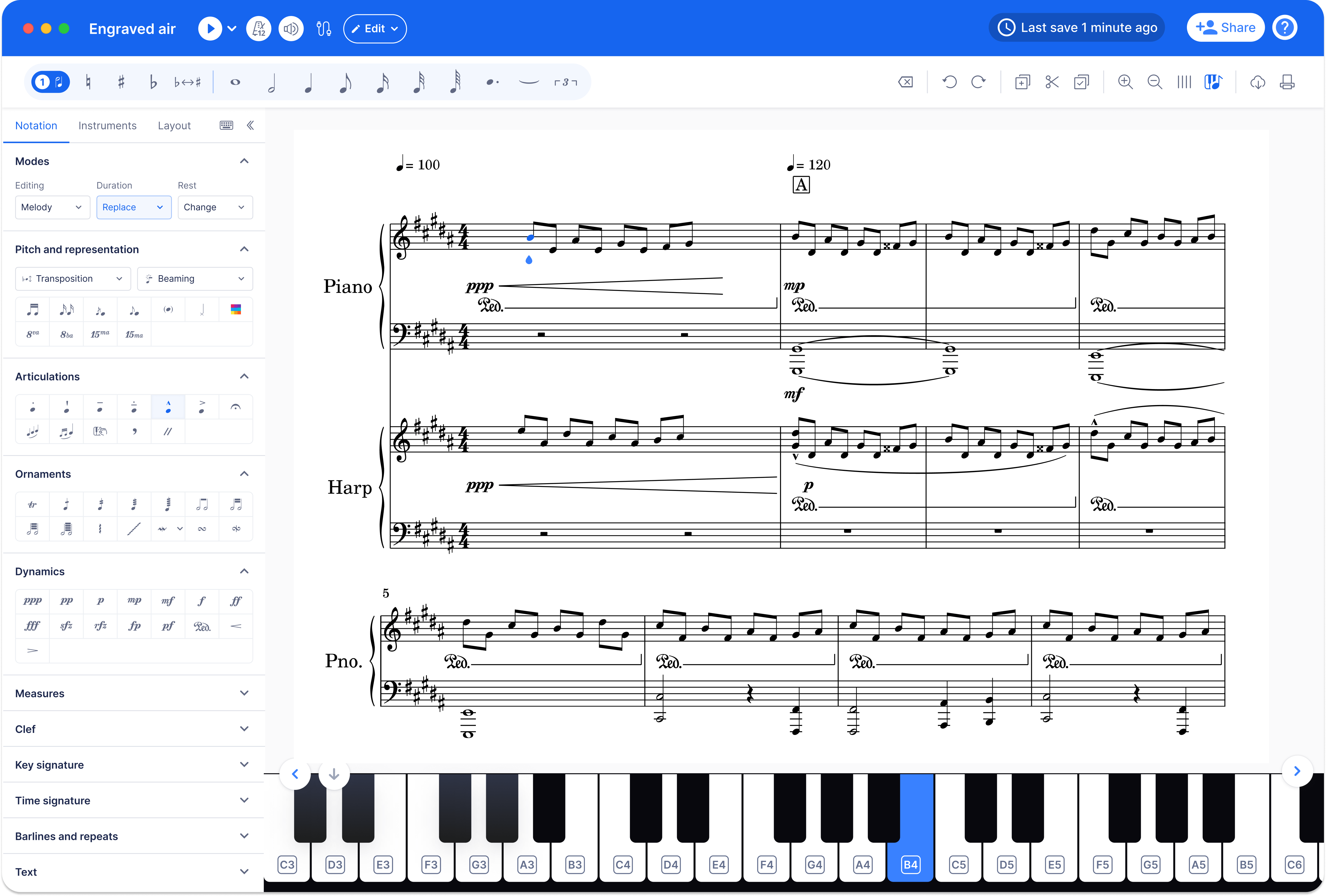
Flat has moved beyond the browser with Mac and Windows apps, and built its own optical music recognition engine, released as a separate scanning app called Opuscan.
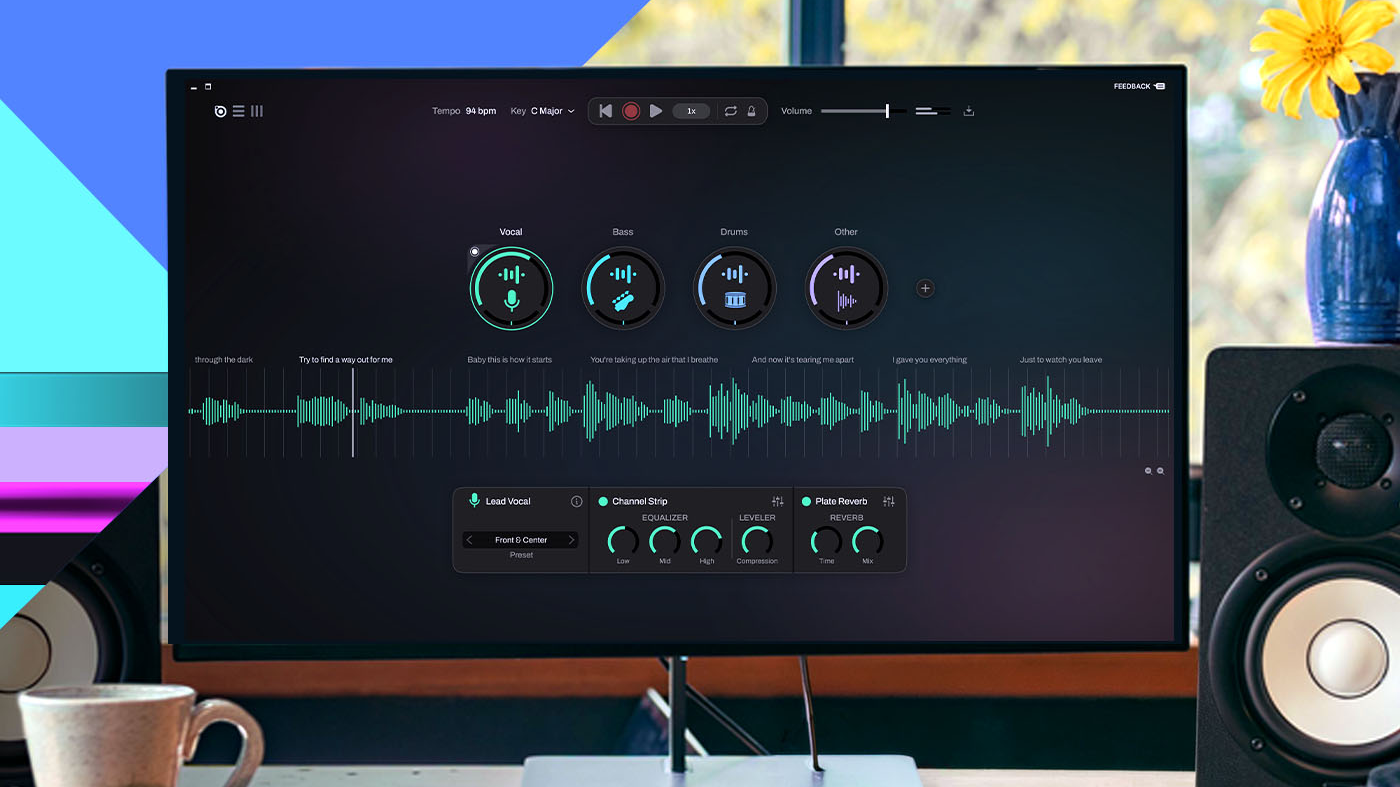
Luna 3.0 brings stem separation, audio-to-MIDI, lyric transcription and chord extraction into a DAW. Here is where that helps a musician chasing notation, and where a web tool still wins.
Turning stale practice routines into something you actually look forward to — with playlists, micro-goals, and recording yourself without cringing.
Why automatic drum transcription is moving from a niche research curiosity to a practical tool reshaping how drummers learn, practice, and teach.
From last-minute gig prep to flexing on TikTok, a look at the real, messy, human ways drummers use sheet music outside of music school.
A guided tour of the four stages that turn a stereo audio file into engraved, exportable sheet music — and the engineering tradeoffs at each step.
A simple guide to understanding each export type and when to use them, whether you're heading into a rehearsal, DAW session, or notation software.
What to actually upgrade (and what to ignore) on your journey from practicing at home to playing shows without blowing your entire savings.
How to "sample" your favorite drummers' ideas ethically — tweaking feel, orchestration, and tempo so it becomes your own voice behind the kit.
Breaking down the science (and myth) of muscle memory on the drums, and how long it actually takes for grooves to feel automatic.

A drummer's mini-experiment: learning the same track twice, once by ear and once with sheet music, and what each approach secretly teaches you.
A look into how ghost-note sensitivity works, why ghost notes matter musically, and how you can fine-tune detection inside GrooveSheet.
Real instructor workflows showing how automated transcription speeds up lesson planning, student analysis, and content creation.