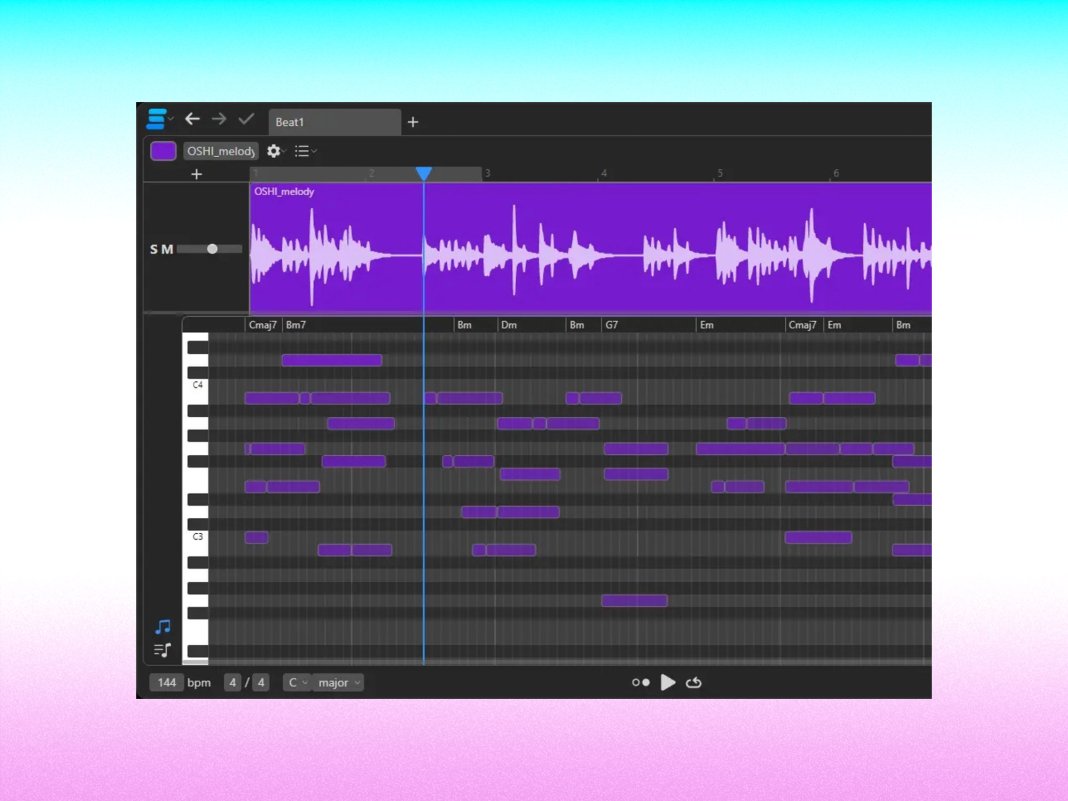
For most of recorded history, transcribing a drum part meant slowing down a record, rewinding tape, or scrubbing a waveform — pencil in hand, eraser nearby. Even with modern DAWs, an experienced drummer might spend 30–60 minutes notating a single song accurately. AI is collapsing that timeline to seconds.
From research lab to rehearsal room
Automatic Drum Transcription (ADT) has been an active research field for over a decade, but until recently the outputs were brittle — works on isolated drum tracks, falls apart on a real mix. The breakthrough was twofold: (1) source-separation models like Demucs can now cleanly isolate the drum stem from a stereo master, and (2) drum-aware models trained on labeled datasets (ADTOF, ENST-Drums, MDB-Drums) learned to detect kick, snare, hi-hat, toms, and cymbals with usable accuracy on real music.
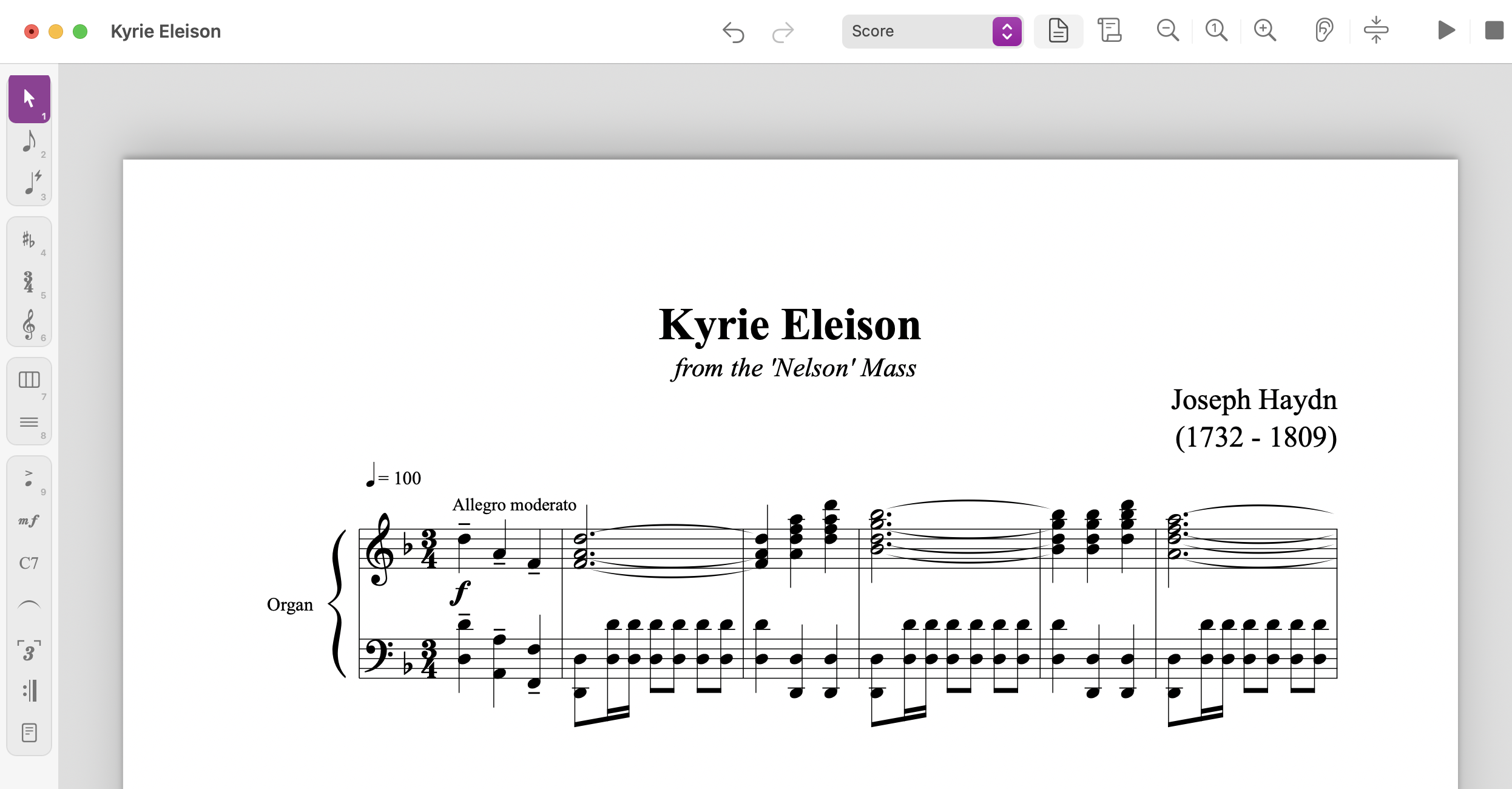
GrooveSheet stitches these together into one pipeline: upload an MP3 → Demucs strips out the drum stem → ADTOF transcribes it to MIDI → midi2score renders engraved sheet music. No headphones-and-pencil session required.
Why this matters for education
Teachers are the early winners. The bottleneck in drum education has always been content production, not teaching ability. A great instructor can demonstrate a groove in 30 seconds but takes an hour to write it out cleanly for a student. With AI transcription:
- Lesson prep for a new song drops from an hour to under a minute.
- Students can request transcriptions of their own favorite tracks instead of being limited to whatever's in the method book.
- Comparisons between cover versions, drummers, or eras become trivial — generate three transcriptions, diff them, talk about feel.
What AI still can't do
It's worth being honest. AI transcription today is excellent for kit drum patterns, good for clear ghost-note dynamics, and noticeably worse for: hand percussion, brush work, non-Western kits, and anything buried under heavy bass + vocal masking. The output is a draft a human polishes — not a final score.
That's the right framing for educators too. Ask students to correct an AI transcription instead of writing one from scratch. The cognitive load is on the listening and the music theory, not on the mechanics of notation.
Where it's heading
Three things will define the next 24 months:
- Feel preservation. Right now transcriptions quantize aggressively. Future models will capture micro-timing — the back-of-the-beat snare on a Questlove track — without making the score unreadable.
- Multi-instrument grounding. Joint models that transcribe drums, bass, and piano simultaneously will produce more musically coherent scores than running each in isolation.
- Adaptive notation. AI that picks the right notation conventions for the genre — jazz lead sheet vs. metal full transcription vs. afro-cuban patterns — automatically.
For the working drummer or teacher: the right question isn't "will AI replace transcription skill?" It's "what would I do with my time back?"